
Platinum Cured vs Peroxide Cured Silicone: Which Grade Does Your Part Need?
Both are silicone rubber, and on a drawing they look identical. The cure system decides what leaches out of the part — and that decides whether it belongs in a food line or on a machine frame.
What the cure system actually changes
Silicone starts as the same polymer either way. The difference is how the chains are locked into a network. Peroxide curing uses heat to split a peroxide into radicals that grab methyl groups; platinum curing uses a catalyst to add Si–H across a vinyl group. Same base gum, two very different leftovers.
That leftover is the whole story. Peroxide curing leaves volatile fragments behind, and those fragments migrate. In a food line or under a patient’s skin, migration is the exact thing you are trying to prevent.
Side by side
| Property | Peroxide cured | Platinum cured |
|---|---|---|
| Catalyst residue | Peroxide fragments, partly volatile | None — consumed in the reaction |
| Odour and taste | Noticeable, worse without post-cure | Neutral after proper post-cure |
| Transparency | Translucent to hazy | Water clear |
| Compression set | Good | Typically 15–25% lower |
| Relative cost | Lower | Higher — catalyst and clean handling |
| Typical use | Industrial seals, general extrusion | Medical, food contact, pharma |
Where each one wins
If the part touches nothing but machine oil and daylight, peroxide curing is the economical answer and there is no reason to pay a premium. Industrial gaskets, weather seals and general extrusions live there comfortably.
The moment a part touches food, drinking water, a drug product or a patient, platinum becomes the default. Extraction limits and odour panels are where peroxide compounds fall over — not in the tensile numbers.
How to specify it so you get what you asked for
- Name the cure, not the family. Write “platinum cured, post-cured 4 h at 200 °C” rather than “silicone”.
- Ask for extractables data. “FDA approved silicone” is a phrase with no legal meaning; a test report with numbers is what counts.
- State the post-cure. Residual volatiles are the usual cause of a failed smell or taste panel.
- Add your sterilization cycle. Gamma and steam stress the compound in different ways, and the answer changes the formulation.
The cost conversation
Platinum compounds typically run 20–35%% higher on material cost. On a 6 mm tube that is cents per metre. On a large moulded part it moves the quote meaningfully — which is why the question belongs at the drawing stage, not after the tool is cut.
Related technical notes
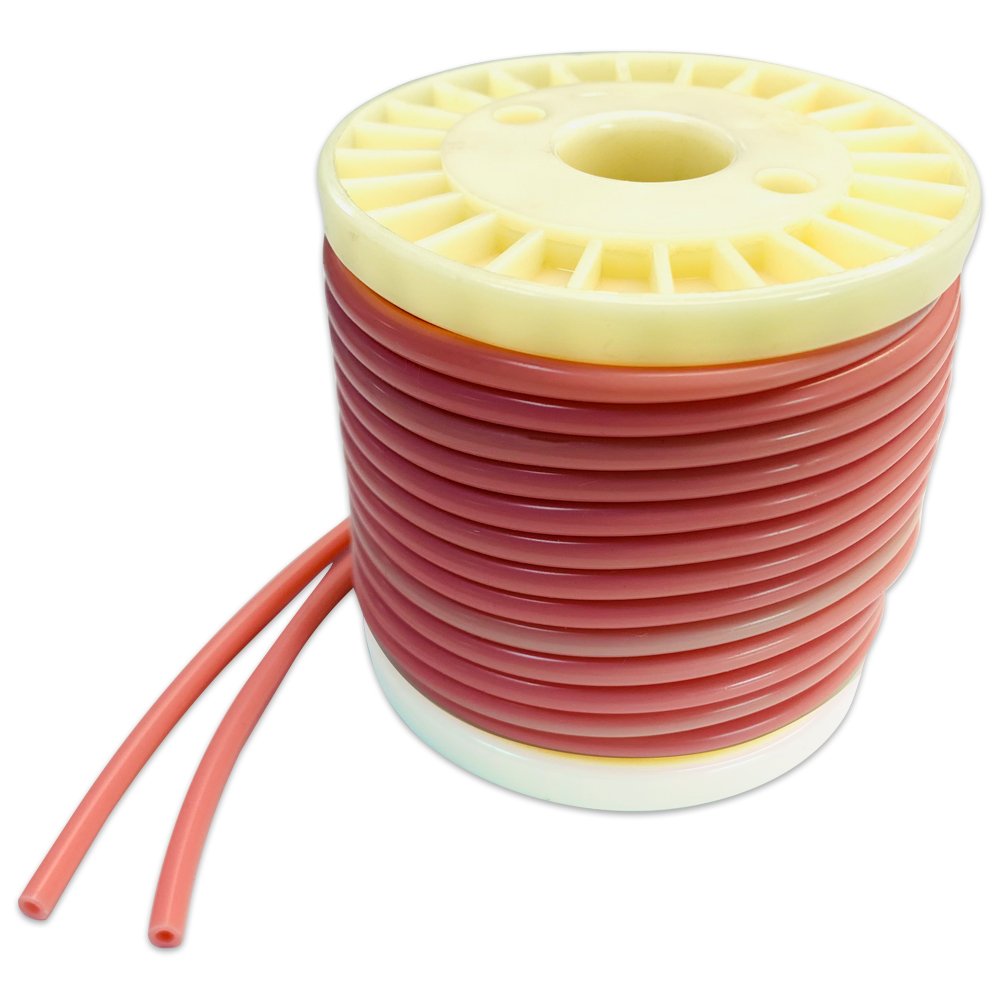
ID, wall and concentricity are three separate promises. Confusing them is the most common reason a tube that &ld…
21 Oct 2026 · 8 min read
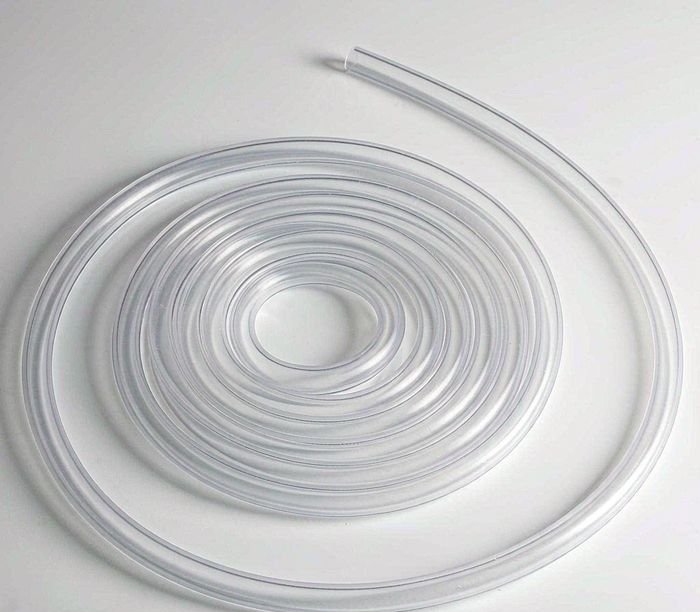
Three names that get used interchangeably in quotation emails, and three completely different tests. Here is wha…
14 Oct 2026 · 9 min read
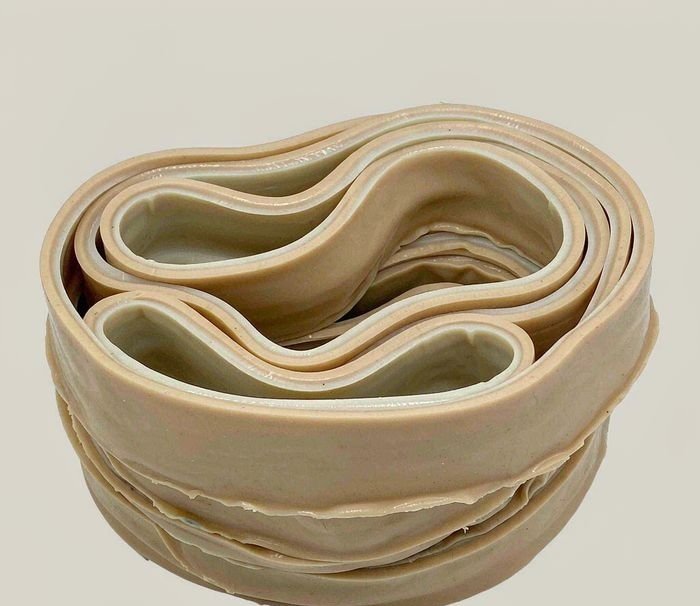
Two tubes, same ID, same wall, 12% different flow rate. The variable was hardness — and it is usually the last t…
07 Oct 2026 · 6 min read
Questions about your own part?
Send a drawing or a sample. We will tell you which compound and hardness we would run, and what it costs at your volume.