
Liquid cooling hose
for battery packs and CDUs
Glycol-compatible silicone hose for EV battery loops, energy storage and data-centre cooling. Low permeation, high dielectric strength, and a wall that survives a 15-year thermal cycle.
Coolant loops fail at the joint,
not in the middle of the hose.
A battery cooling circuit runs hot ethylene glycol at 60–80 °C for a decade, with pressure pulses from the pump and vibration from the road. Silicone is chosen over EPDM because it keeps its flexibility at −40 °C and does not harden into a brittle pipe, but only if the compound is formulated for glycol rather than water.
The two numbers that decide a programme are permeation and the joint. Glycol loss through the wall shows up as a slow coolant drop nobody can find; a clamp that relaxes shows up as a leak at the cold end of a thermal cycle. We specify a glycol-resistant compound and a wall thickness that keeps permeation inside the OEM limit, then qualify the assembly with a thermal shock test rather than the hose alone.
Four ways to specify it
Same compound family, different construction. Mixing two options on one order is common and usually cheaper than splitting the purchase.
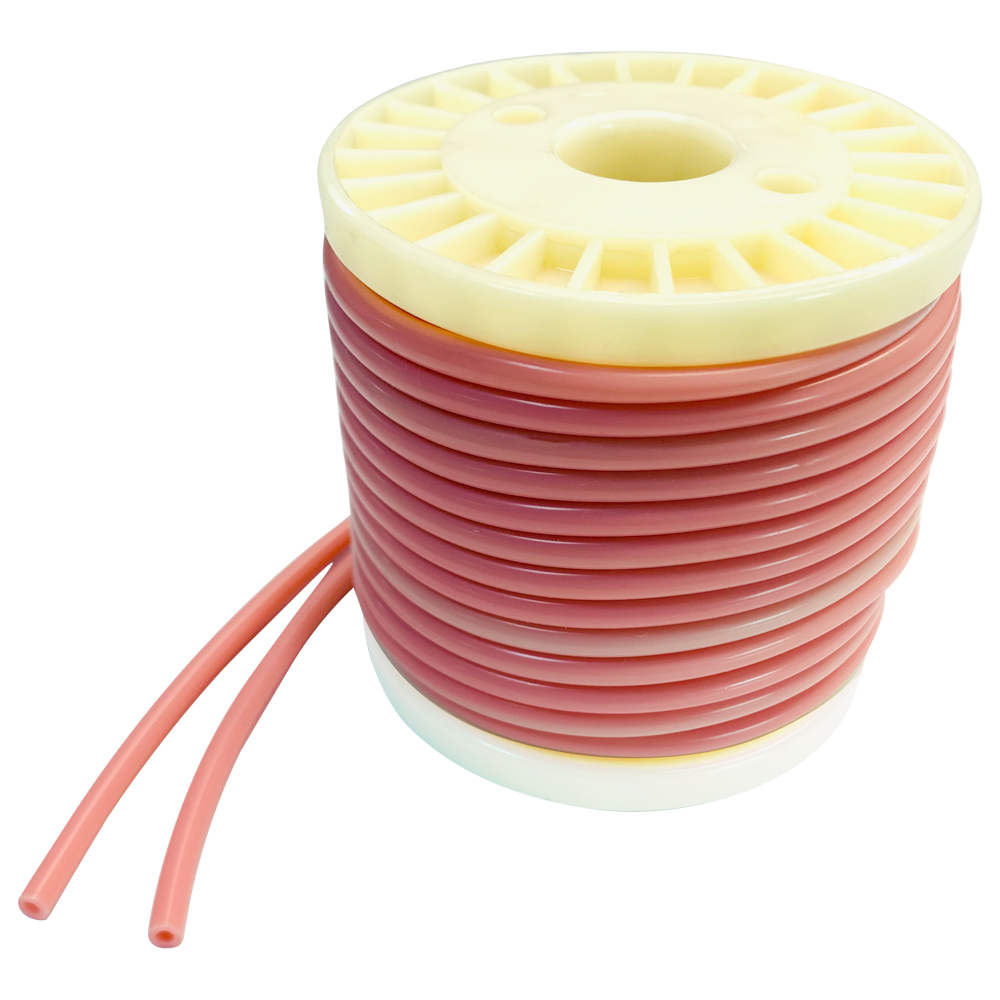
Battery Pack Hose
Formed and straight runs inside the pack
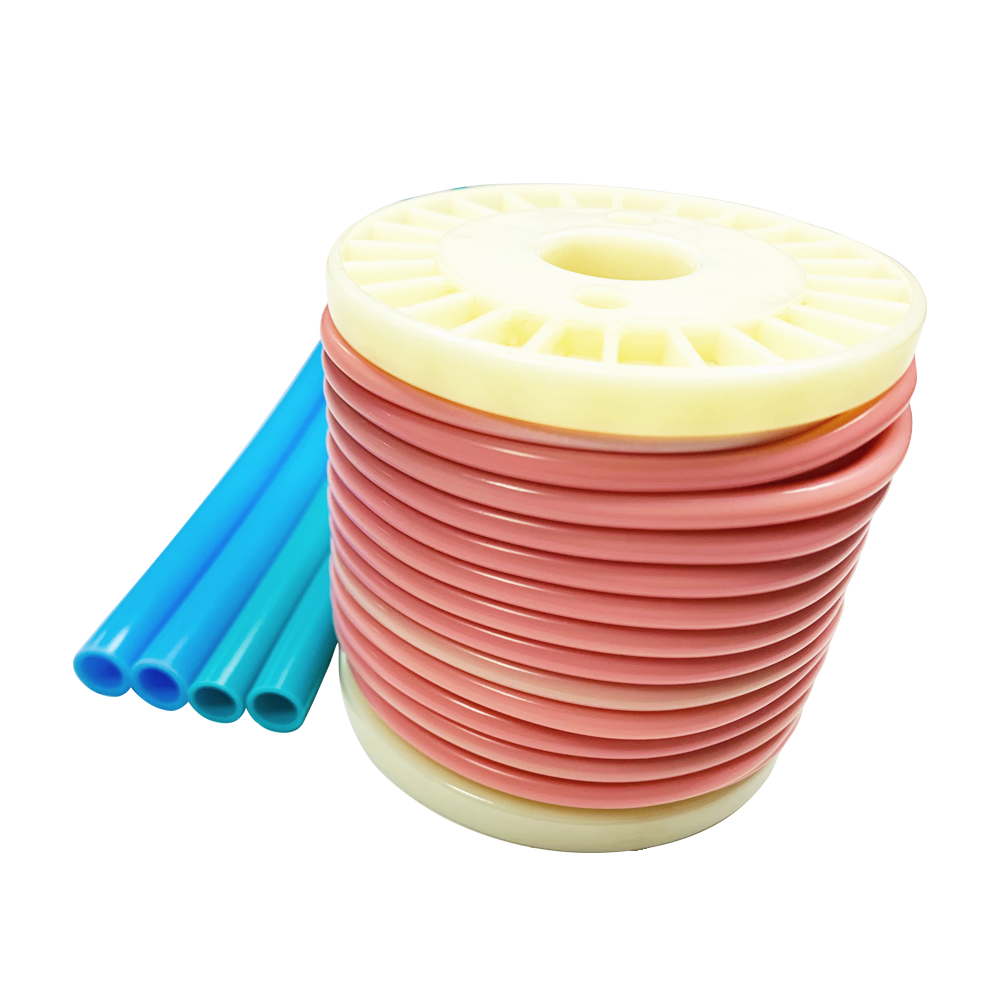
Data Centre CDU Hose
Rack-level coolant distribution
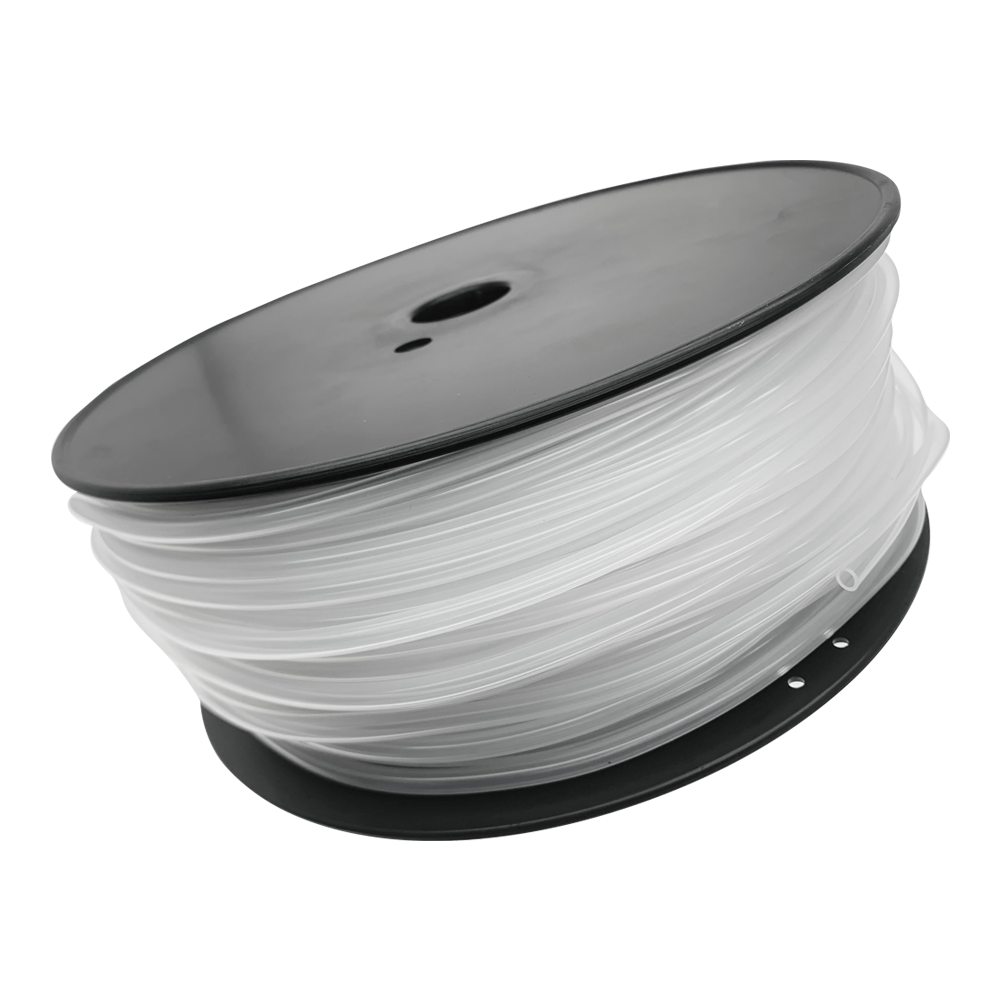
Braided Cooling Hose
Pressure and abrasion resistance
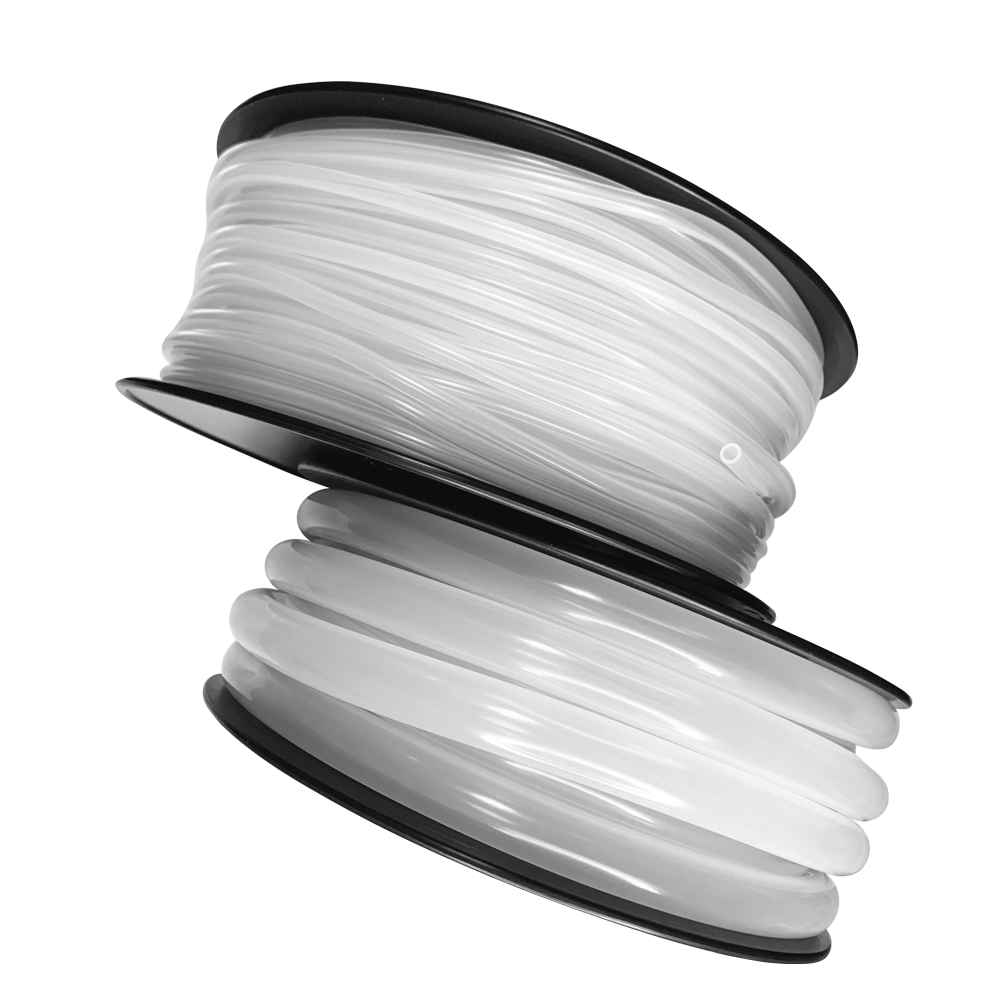
FR Cooling Hose
UL 94 V-0 for enclosed electronics
Applications this line is specified into
EV battery packs
Module and pack-level coolant loops with formed routing.
Energy storage
Containerised BESS thermal management, outdoor rated.
Data centre CDU
Rack manifold hose with quick-connect ends.
Charging equipment
Liquid-cooled cable and connector circuits.
Power electronics
Inverter and IGBT cold-plate connections.
Fuel cell
Coolant loops with deionised water and glycol blends.
Bore, wall and permeation
Permeation is measured on a 1 m loop at 80 °C with a 50/50 glycol-water mix. Values are for the hose only; a clamped assembly adds joint loss.
| ID (mm) | OD (mm) | Wall (mm) | Working (bar) | Permeation | Dielectric |
|---|---|---|---|---|---|
| 6 | 12 | 3.0 | 5 | low | > 20 kV/mm |
| 8 | 15 | 3.5 | 5 | low | > 20 kV/mm |
| 10 | 18 | 4.0 | 4 | low | > 20 kV/mm |
| 13 | 22 | 4.5 | 4 | medium | > 20 kV/mm |
| 16 | 26 | 5.0 | 3 | medium | > 20 kV/mm |
| 19 | 30 | 5.5 | 3 | medium | > 20 kV/mm |
| 25 | 38 | 6.5 | 3 | medium | > 20 kV/mm |
Questions engineers ask first
Will it swell in glycol?
How do you test the assembly, not just the hose?
Do you supply formed hoses?
Is the FR grade required?
What is the dielectric value and why does it matter?
Send the routing, the coolant and the leak limit.
STEP file, glycol mix, operating temperature and the coolant loss your programme allows. We come back with a wall thickness and a formed-hose proposal, plus a thermal shock test plan for the assembly.
sales16@yutiansilicone.com
+86 136 6281 5387
Free samples from existing tooling · reply within 24 h